Google Reviews4.9 ★ · 180+ reviews
Food-safe pest management
HACCP-ready pest control for Sydney food and hospitality venues.
Structured pest programs for Sydney restaurants, cafes, bars, and commercial kitchens that demand documentation, compliance support, and zero-tolerance standards.
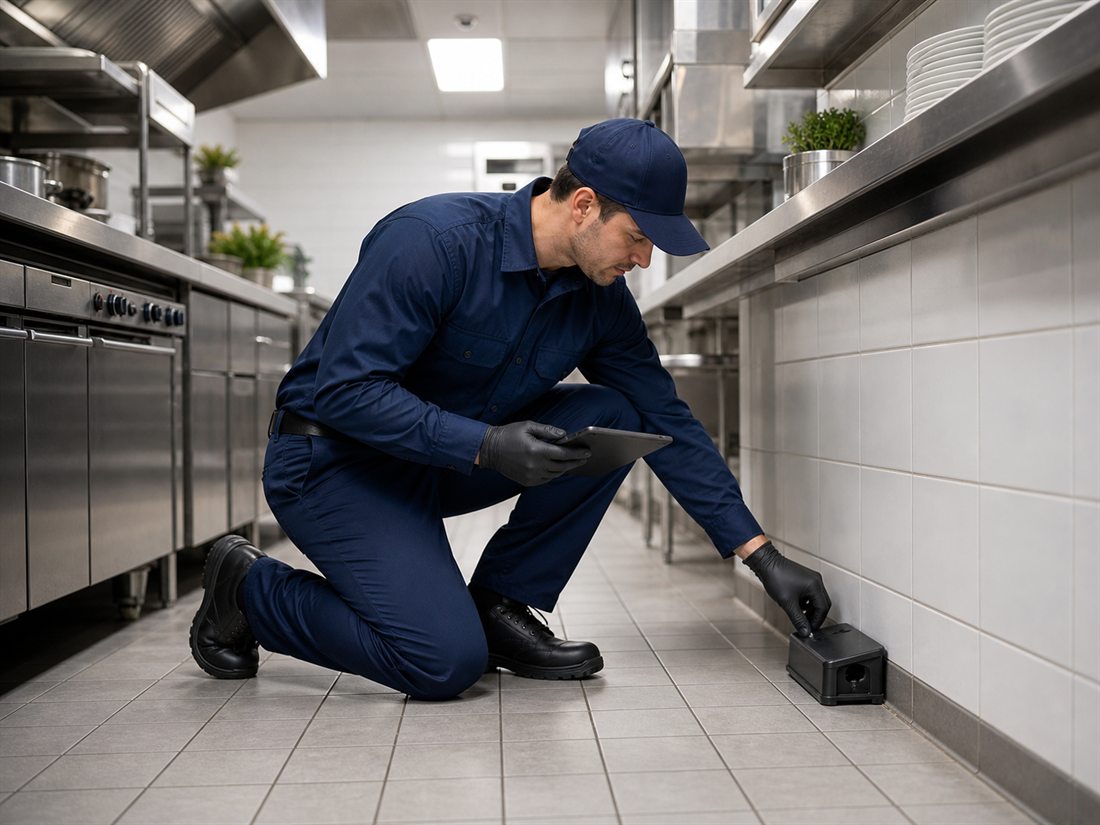
Inspection-led serviceMatched treatment for this pest and property type
Proof before booking
Trust signals, clear service notes, and a process users can believe in.
The program pairs treatment with practical correction advice so pest pressure is managed beyond the visit.
- InspectCheck kitchens, storage, waste, loading, drains, staff areas, and exterior pressure points.
- ControlUse targeted treatment and monitoring around high-risk activity areas.
- CorrectDocument sanitation, proofing, maintenance, and storage actions that reduce pressure.
- RecordKeep service notes useful for managers and inspection readiness.
Trustpilot4.8 ★ · Service rating
Facebook5.0 ★ · Recommendations
Google Reviews5.0 homeowner review
★★★★★
“The technician explained exactly where the issue was coming from, treated it cleanly, and gave us a prevention plan we could actually follow.”
Inspection first, targeted treatment, written next steps, and practical prevention guidance.Request Quote
Kitchen-risk focusDesigned for restaurants, cafes, takeaways, commercial kitchens, and food-handling spaces.
Food safety environments
Structured pest control built around HACCP, compliance, and kitchen-risk management.
Sydney food and hospitality venues face German cockroach harbourage behind hot-side equipment, Norway rat pressure at waste compactors and deliveries, house fly breeding in drains and bin rooms, and stored-product beetle infiltration in dry goods. HIFI builds treatment programs around critical control points, combining targeted gel and insect light trap deployment with written service records that satisfy food safety auditors and council inspectors.
Cockroach harbourageWarm equipment, cracks, kickboards, drains, and wall-floor junctions are checked carefully.
Rodent accessRear doors, bin areas, delivery points, wall gaps, and storage zones are assessed for entry pressure.
Fly pressureWaste areas, drains, screens, doors, and preparation spaces are reviewed for breeding and attraction points.
Service method
A food-site service that supports hygiene and confidence.
The program pairs treatment with practical correction advice so pest pressure is managed beyond the visit.
Inspect
Check kitchens, storage, waste, loading, drains, staff areas, and exterior pressure points.
Control
Use targeted treatment and monitoring around high-risk activity areas.
Correct
Document sanitation, proofing, maintenance, and storage actions that reduce pressure.
Record
Keep service notes useful for managers and inspection readiness.
Risk map
Food-site pressure points
Most activity starts where food, water, warmth, waste, and access combine.
Equipment voids, heat, grease, floor joins, and hidden harbourage.
Open stock, shelving gaps, cardboard, spills, and stored-product risk.
Bins, drains, rear exits, outdoor storage, and collection areas.
Dining rooms, service counters, bathrooms, and entry points.
Can you service outside trading hours?
Yes. HIFI routinely schedules food and hospitality services during after-hours windows, early mornings, or between trading shifts to avoid disruption to guests and kitchen staff. We coordinate timing directly with your site manager to fit operational requirements. After-hours availability is subject to route capacity and should be confirmed at the time of booking.
Do you provide pest service notes?
Yes. Every commercial food site visit generates a written service record covering findings, treatment areas, active pest species identified, corrective recommendations, and scheduled follow-up actions. These records are formatted to support HACCP documentation requirements and are available for presentation during council food safety or third-party audits. Digital copies can be arranged on request.
Which pests are common in food businesses?
German cockroaches are the dominant harbourage pest in Sydney commercial kitchens, nesting behind dishwashers, under fryers, and in wall-floor junctions near heat and moisture. Norway rats and roof rats exploit waste compactors, rear-lane deliveries, and poorly sealed building penetrations. House flies and drain flies thrive in wet waste and floor drain biofilm. Stored-product pests including flour beetles, grain weevils, and Indian meal moths infest dry-goods storage when stock rotation and sealing practices are inadequate.
Request service
Get a HIFI Pest Control quote.
Tell us what you are seeing and a specialist will help match the right inspection or treatment plan.
98 Poulton Terrace, Campbelltown NSW 2560
Related services
Explore more HIFI services.
HIFI covers the full range of Sydney pest management — from one-off treatments to ongoing protection programs.