Google Reviews4.9 ★ · 180+ reviews
Termite defence
Termite Control Sydney
We inspect your timber, find active termites or risk conditions, and recommend the right treatment before damage spreads.
Inspection-led serviceMatched treatment for this pest and property type
Before you book
What to expect
Inspection first. Treatment only after we know what species is present and how far it has spread.
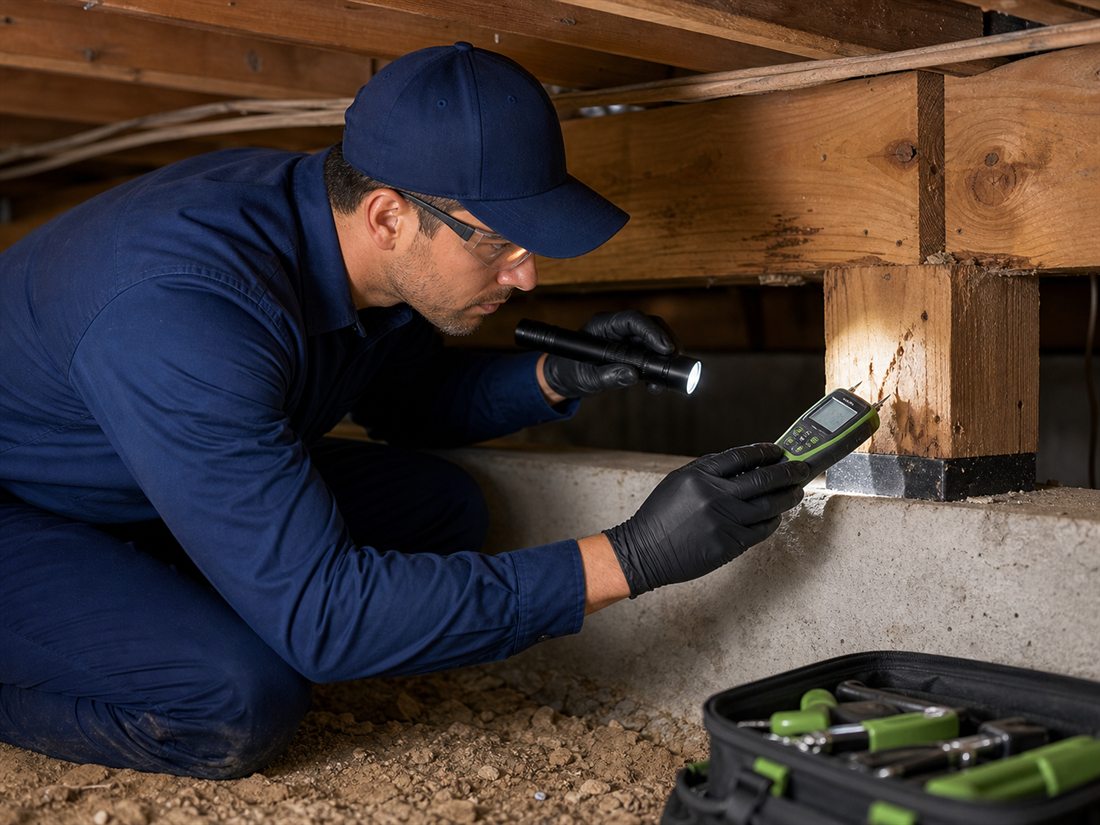
- We check every risk zoneSubfloor, slab edges, garden contact, roof void, and moisture readings. We look for active mud tubes and damaged timber.
- We separate live from oldNot every mud tube means active termites. We confirm whether activity is current before recommending treatment.
- We match treatment to findingsA barrier suits some buildings. Baiting suits others. Spraying a random spot without knowing where the colony is can make things worse.
- We set up follow-up checksBait stations and barriers both need monitoring. We schedule checks so you are not guessing whether protection is still working.
Trustpilot4.8 ★ · Service rating
Facebook5.0 ★ · Recommendations
Google Reviews5.0 homeowner review
★★★★★
“The technician explained exactly where the issue was coming from, treated it cleanly, and gave us a prevention plan we could actually follow.”
We check timber and moistureSubfloor, slab edges, garden contact, roof voids, and moisture readings.
About termites
Why they are hard to spot
Termites eat timber from the inside out. By the time you see a mud tube on the wall or hear hollow-sounding floorboards, they may have been working for months. Sydney's warm, humid climate suits them perfectly, especially in older federation homes and properties with subfloor moisture. We inspect timber, moisture levels, garden contact, and slab edges before recommending anything. The wrong treatment can disturb a colony and push it somewhere harder to reach.
Mud tubesPencil-thick tunnels on walls, piers, and slab edges.
Moisture riskLeaks, poor drainage, and damp subfloor timbers.
Timber contactGarden sleepers, fences, and stored wood against the house.
Identification
Signs of termites
Termites stay hidden, so you usually find the evidence before you see the insect. Check for these four.
Pencil-thick tunnels made of soil and saliva. Fresh tubes are moist. Dry, crumbling tubes may be old.
Tap skirting boards and architraves. A hollow sound where timber should be solid is a warning sign.
Moisture from termite activity can warp floorboards and leave a musty smell in the subfloor.
Swarmers look like flying ants with straight antennae and equal-length wings. Finding them inside means a colony is nearby.
Prevention
How to reduce termite risk
None of this replaces an annual inspection. These steps remove the conditions termites look for.
- Sydney's humidity suits termite colonies
- Moisture is the biggest attractant
- Annual inspections are the minimum in NSW
- Timber on soil is an open invitation
Not sure what you found? Call 1300 160 325 before disturbing anything.
Fix leaks and drainage
Damp subfloor timbers and wet soil against the slab attract termites faster than anything else.
Remove timber from soil contact
Garden sleepers, firewood stacks, and fence posts against the house give termites a bridge inside.
Keep weep holes clear
Blocked weep holes trap moisture in the wall cavity and hide termite entry points.
Maintain gutters and downpipes
Overflowing gutters dump water against the slab edge, exactly where termites enter.
Store firewood away from the house
A woodpile against the external wall is a termite colony waiting to find a gap.
Book an annual inspection
Australian standards recommend at least one inspection per year. Sydney's climate makes that the bare minimum.
What we do
How termites are managed
Inspection first. Treatment only after we know what species is present and how far it has spread.
We check every risk zone
Subfloor, slab edges, garden contact, roof void, and moisture readings. We look for active mud tubes and damaged timber.
We separate live from old
Not every mud tube means active termites. We confirm whether activity is current before recommending treatment.
We match treatment to findings
A barrier suits some buildings. Baiting suits others. Spraying a random spot without knowing where the colony is can make things worse.
We set up follow-up checks
Bait stations and barriers both need monitoring. We schedule checks so you are not guessing whether protection is still working.
Who needs this
Who needs termite protection
Any timber-framed building in Sydney is at risk. These are the properties we inspect most.
- Older Sydney homes often have subfloor access
- Properties with garden beds against walls are high risk
- Buyers and sellers need inspections before settlement
Not listed here? We inspect and treat termites on any Sydney property. Call 1300 160 325.
Homes and apartments
Federation terraces, brick veneers, and properties with subfloor timber framing.
Strata and unit blocks
Shared walls and common-area gardens where one affected lot affects neighbours.
Commercial buildings
Timber-framed offices, retail fit-outs, and warehouses with garden contact.
Pre-purchase buyers
A termite inspection before settlement can save you from buying hidden structural damage.
How often should I get a termite inspection?
At least once a year in Sydney. Australian standards recommend annual inspections as the minimum. Properties with previous activity, subfloor moisture, or garden beds against the walls should be checked every six months.
How do I know if I have termites?
Look for mud tubes on walls and piers, hollow-sounding timber when tapped, and buckling or damp floorboards. Winged termites indoors in spring are another sign. A professional inspection confirms whether activity is live.
Are termites common in Sydney?
Yes. Sydney's warm, humid climate supports large colonies year round. Older suburbs with federation homes, subfloor timbers, and established gardens see the highest activity.
How much does termite treatment cost?
It depends on the building, the extent of activity, and whether a barrier, baiting system, or spot treatment is needed. We inspect first and give you a written quote before any work starts.
What is the difference between a barrier and baiting?
A chemical barrier treats the soil around the building to stop termites entering. A baiting system targets the colony itself through stations placed in the ground. The right choice depends on your building type and where activity was found.
Can termites be in a brick house?
Yes. Termites do not eat brick, but they eat the timber frame inside the walls, floor joists, and roof trusses. Every timber-framed building in Sydney is at risk regardless of external cladding.
Does home insurance cover termite damage?
Most home insurance policies exclude termite damage. That is why annual inspections matter. If termites damage structural timber, you pay for the repairs yourself.
What should I do if I find termites?
Do not disturb the mud tubes or spray them. Photograph what you found and book an inspection. Disturbing the colony can push it deeper into the structure.
How long does a termite inspection take?
A standard home inspection takes one to two hours depending on subfloor access, building size, and garden complexity. We check every accessible timber zone and give you a written report on the day.
Know your pest
Termite profile
The detail behind the advice above, for anyone who wants it.
AppearanceWorker termites are 3 to 5mm long, pale and soft-bodied. Soldiers have darker heads with visible jaws. You rarely see them unless a tube is broken open.
LifestyleColonies live underground or in concealed timber and travel through mud tubes to protect themselves from light and dry air.
HabitsThey follow moisture and timber. Garden beds against the house, leaking downpipes, and timber sleepers on soil are the most common entry routes in Sydney.
Why they matterTermites cause more property damage in Australia than fire, flood, and storm combined. Repair costs run into tens of thousands if activity goes unnoticed.
Right now
Found mud tubes or damage? Do this
Three things that help before we arrive.
Do not break open mud tubes
Disturbing active tubes can cause the colony to retreat to a harder-to-reach part of the structure.
Photograph what you found
Clear photos of mud tubes, damaged timber, or swarmers help us prepare for the inspection.
Do not spray them yourself
Household insect spray kills visible termites but does not reach the colony. It can also make professional treatment harder.
Request service
Get a HIFI Pest Control quote.
Tell us what you are seeing and a specialist will help match the right inspection or treatment plan.
98 Poulton Terrace, Campbelltown NSW 2560
Related services
Explore more HIFI services.
HIFI covers the full range of Sydney pest management — from one-off treatments to ongoing protection programs.