Google Reviews4.9 ★ · 180+ reviews
Fleas
Flea Treatment Sydney
We treat the carpets, bedding, and outdoor shade where fleas breed, so the bites stop and they do not come back.
Inspection-led serviceMatched treatment for this pest and property type
Before you book
What to expect
We treat where the flea life cycle actually happens, not just where you notice the bites.
- We find the hotspotsWe check where pets sleep and rest, carpets, rugs, sofa edges, skirting, and shaded outdoor ground, to see where the flea pressure is highest.
- We treat indoors and outTargeted treatment goes to carpets, skirting, and pet resting areas inside, plus shaded soil, decking, and kennels outside. Products are chosen with pets and children in mind.
- We guide your preparationYou get clear steps for before and after the visit, such as vacuuming, washing bedding, and keeping pets out of treated areas until they are dry.
- We check it has workedPupae can hatch after treatment. A follow-up visit catches new emergence so the life cycle is properly broken.
Trustpilot4.8 ★ · Service rating
Facebook5.0 ★ · Recommendations
Google Reviews5.0 homeowner review
★★★★★
“The technician explained exactly where the issue was coming from, treated it cleanly, and gave us a prevention plan we could actually follow.”
We treat the life cycleIndoor treatment, pet resting areas, outdoor shade zones, and a follow-up check.
About fleas
Why fleas keep coming back
The fleas you see on a pet or on your ankles are only a small part of the problem. Most of the population is eggs, larvae, and pupae living in carpet, rugs, bedding, and the shaded soil where your pet rests. Pupae can sit dormant for weeks and hatch when they feel vibration and warmth, which is why a house can seem clear and then flare up after a holiday. Treating the pet alone or spraying the lounge room once rarely ends it. The whole life cycle has to be broken, and that usually takes a planned treatment and a follow-up check.
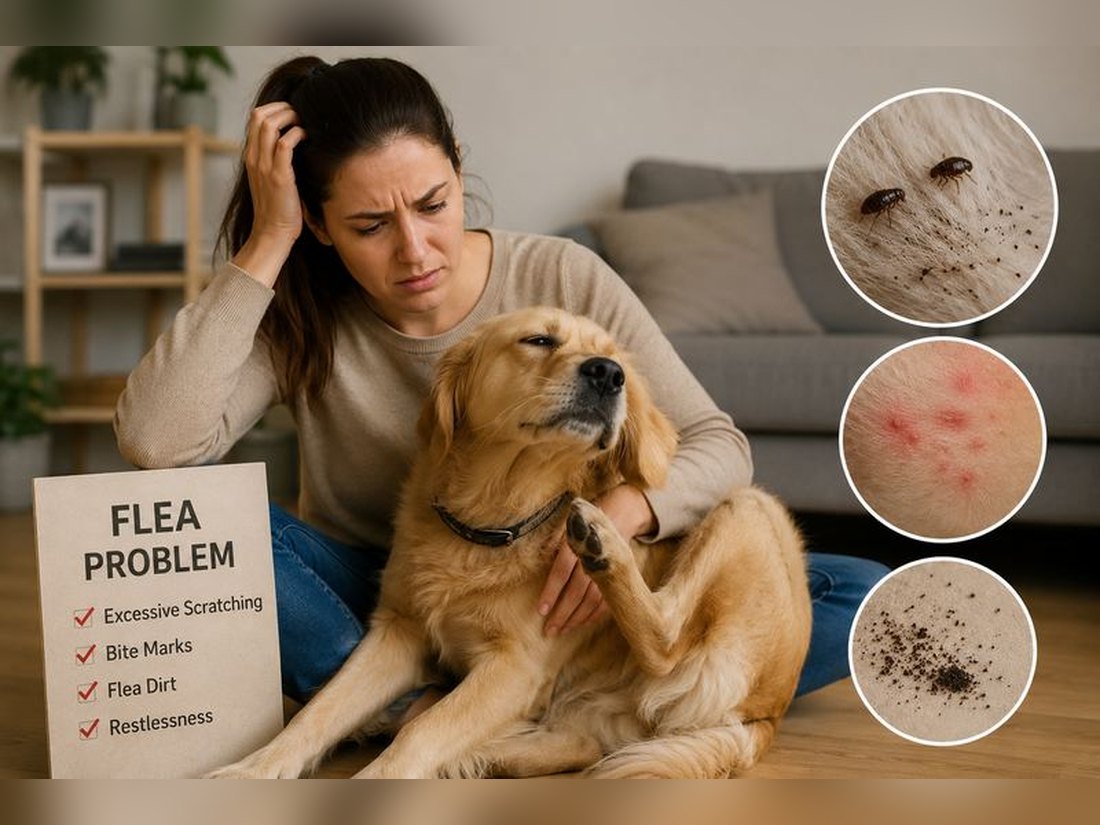
Bites on anklesSmall itchy red spots, often in clusters around the ankles and lower legs.
Pets scratchingConstant scratching, licking, or biting at the skin, especially near the base of the tail.
Flea dirtTiny dark specks in pet bedding or fur that turn reddish when wet.
Identification
Signs of fleas
Fleas are small and quick, so most people notice the effects first. Check for these four.
Clusters of small, itchy red bites on ankles and shins are a classic sign, especially after time in a room where pets rest.
A pet that keeps scratching, licking, or chewing at its skin may have fleas even if you cannot see any.
Tiny black specks in pet bedding or on carpet are flea droppings. Wet one on white paper and it turns reddish-brown.
Tiny dark insects jumping on pale socks or light carpet after you walk through a room are adult fleas.
Prevention
How to keep fleas out
Most of these steps are simple routines. Together they cut the numbers a treatment has to deal with.
- Most fleas are not on the pet
- Pupae can wait weeks before hatching
- Treat pets and the home together
- Warm, humid weather speeds everything up
Not sure if it is fleas? Call 1300 160 325 and we will talk you through it.
Treat pets with your vet
Regular flea control prescribed or recommended by your vet stops pets bringing new fleas inside.
Wash bedding on hot
Wash pet bedding and your own throws and covers weekly on a hot cycle, then dry fully.
Vacuum often
Vacuum carpets, rugs, sofa edges, and skirting where pets rest. Empty the bag or bin outside straight away.
Keep outdoor spots dry
Fleas breed in shaded, damp soil under decks and in kennels. Keep those areas swept, dry, and open to light.
Watch wildlife visitors
Possums, stray cats, and rodents can drop fleas around your home. Keep them away from pet areas and under-floor spaces.
Follow up after holidays
A home left empty can have a flea hatch when you return. Vacuum well and call us if bites start.
What we do
How fleas are treated
We treat where the flea life cycle actually happens, not just where you notice the bites.
We find the hotspots
We check where pets sleep and rest, carpets, rugs, sofa edges, skirting, and shaded outdoor ground, to see where the flea pressure is highest.
We treat indoors and out
Targeted treatment goes to carpets, skirting, and pet resting areas inside, plus shaded soil, decking, and kennels outside. Products are chosen with pets and children in mind.
We guide your preparation
You get clear steps for before and after the visit, such as vacuuming, washing bedding, and keeping pets out of treated areas until they are dry.
We check it has worked
Pupae can hatch after treatment. A follow-up visit catches new emergence so the life cycle is properly broken.
Who needs this
Who we treat for fleas
Fleas follow pets and wildlife. These are the places we are called to most in Sydney.
- Homes with cats and dogs see the most activity
- Rentals can inherit fleas from previous tenants
- Empty properties can flare up on return
Not listed here? We treat fleas in any Sydney property. Call 1300 160 325.
Homes with pets
Houses and apartments where cats and dogs rest on carpet, sofas, and beds.
Rentals and move-ins
Fleas left by a previous tenant's pets can hatch when a new household moves in.
Strata and unit blocks
Fleas travel between units through shared spaces and under-floor voids.
Holiday and short-stay homes
Properties left empty between guests can see a flea hatch when people return.
How do I know if I have fleas?
The usual signs are itchy bites around the ankles, pets scratching, and tiny dark specks in bedding. You may also see small insects jumping from carpet onto pale socks. If you are unsure, call us and we can help confirm.
Can I get rid of fleas by treating only my pet?
Rarely. Most of the flea population is eggs, larvae, and pupae in the house and garden, not on the animal. Treating the pet stops new fleas arriving, but the home also needs treating to clear what is already there.
Why do I still see fleas after treatment?
Pupae are protected inside cocoons and can hatch for several weeks after a treatment. Seeing a few new fleas is normal during that period. If activity continues beyond two to three weeks, call us for a follow-up visit.
Is flea treatment safe for pets and children?
We choose products and methods with households in mind, and give clear instructions on keeping pets and children out of treated areas until they are dry. Tell us about any pets, including fish and birds, when you book.
Do I need to leave the house during treatment?
Usually you and your pets stay out of treated areas until surfaces are dry, which we will confirm on the day. We will explain exactly what to do when you book.
How should I prepare for a flea treatment?
Vacuum carpets and skirting, pick up items from the floor, and wash pet bedding on a hot cycle. Have pets treated by your vet around the same time. We send full preparation steps with your booking.
How long does it take to get rid of fleas?
Most homes see a large drop within days of treatment, but fully breaking the life cycle usually takes two to three weeks. A follow-up check catches any late hatching.
Can fleas live in carpet without pets?
Yes. Pupae can stay dormant in carpet for weeks or months and hatch when someone walks through. This is why fleas can appear in a newly rented or long-empty property.
Where do fleas hide outside?
Mostly in shaded, sheltered, slightly damp ground where animals rest: under decks, in kennels, beneath shrubs, and in under-floor spaces. Sunny, dry lawn is much less suitable for them.
Know your pest
Flea profile
The detail behind the advice above, for anyone who wants it.
AppearanceAdult fleas are about 2 to 3mm long, reddish-brown, flat from side to side, and very fast. They jump rather than fly, and are hard to catch or crush.
Life cycleEggs fall off the pet into carpet and bedding, hatch into larvae, then spin cocoons. Adults can emerge within a couple of weeks in warm conditions, but pupae can wait for months.
HabitsAdults feed on blood, mostly from cats and dogs, and bite people when numbers are high. They are most active in warm, humid weather, which suits much of the Sydney year.
Why they matterBites cause itching and allergic reactions, in pets as well as people. Fleas can also carry tapeworm, so pets need treating by a vet at the same time as the home.
Right now
Think you have fleas? Do this
Three things that help before we arrive.
Call your vet about your pet
Pets need treating at the same time as the home, or fleas will simply return. Your vet can recommend the right product.
Vacuum thoroughly
Vacuum carpets, rugs, and skirting, then empty the vacuum outside. Vibration and heat can also trigger pupae to hatch, which helps treatment.
Wash bedding on hot
Wash pet bedding and throws on a hot cycle. Avoid spraying products yourself on surfaces pets will lie on.
Request service
Get a HIFI Pest Control quote.
Tell us what you are seeing and a specialist will help match the right inspection or treatment plan.
98 Poulton Terrace, Campbelltown NSW 2560
Related services
Explore more HIFI services.
HIFI covers the full range of Sydney pest management — from one-off treatments to ongoing protection programs.