Google Reviews4.9 ★ · 180+ reviews
Rat and mouse control
Rodent Control Sydney
We trace where rats and mice get in, control the active population, and proof the gaps they use.
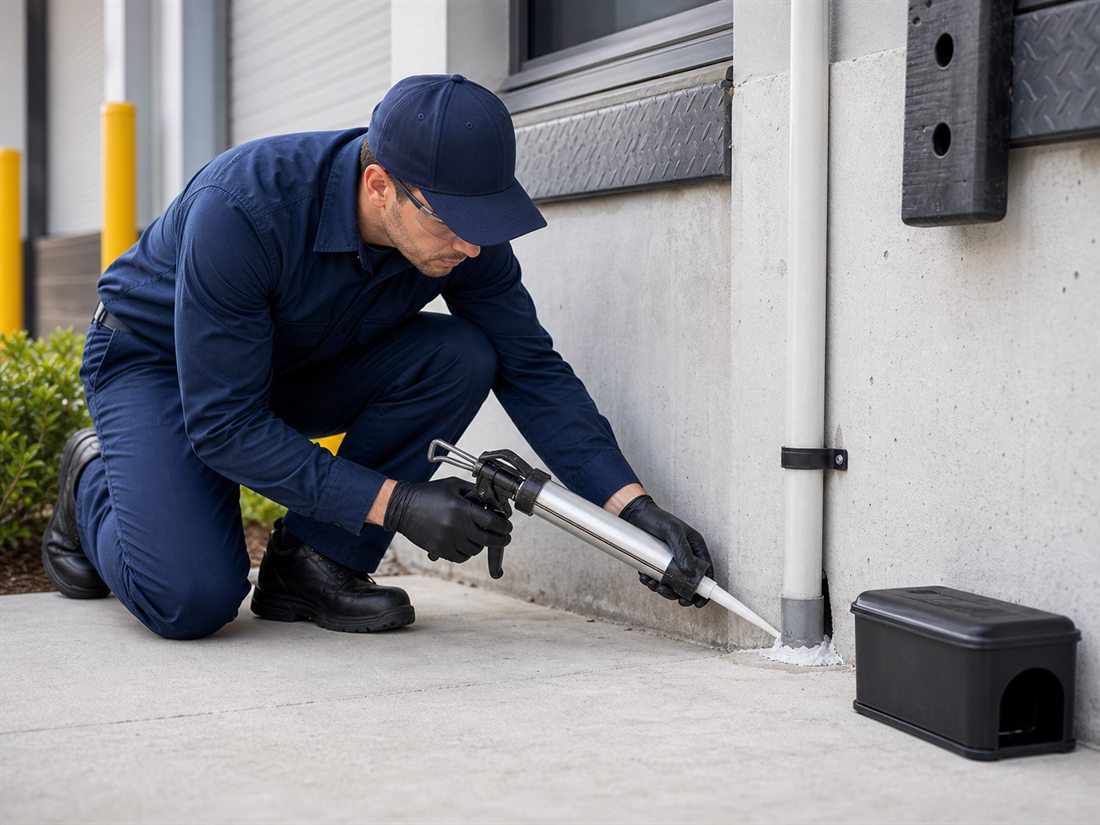
Inspection-led serviceMatched treatment for this pest and property type
Before you book
What to expect
Exclusion and baiting together. One without the other does not last.
- We find how they get inRoof void, subfloor, wall cavities, and exterior gaps. We map travel routes before placing anything.
- We set stations and trapsTamper-resistant bait stations go where rodents travel, not where pets and kids can reach.
- We list what to sealBait without proofing is a temporary fix. We give you a written list of gaps to close, from door seals to weep hole covers.
- We check activity dropsA station from the hardware store might work for one mouse. Established roof rat populations usually need follow-up checks to confirm the pressure is gone.
Trustpilot4.8 ★ · Service rating
Facebook5.0 ★ · Recommendations
Google Reviews5.0 homeowner review
★★★★★
“The technician explained exactly where the issue was coming from, treated it cleanly, and gave us a prevention plan we could actually follow.”
We trace entry pointsRoof voids, subfloors, pipe penetrations, roller doors, and garden edges.
About rodents
Why baiting alone is not enough
You hear scratching in the roof at night. You find droppings in the pantry. Baiting kills the ones already inside, but if the gap under the garage door is still there, a new rat arrives next week. We inspect the roof void, subfloor, wall lines, and every exterior gap before we place a single station. Sydney's cooler months from April push rodents indoors looking for warmth. Terrace houses and older apartments with shared wall cavities make it easy for mice to move between properties without ever going outside.
Entry gapsDoor seals, weep holes, pipe gaps, and roof line openings.
Activity signsDroppings, gnaw marks, rub marks, and nesting material.
Food sourcesBins, pet food, pantry storage, and compost piles.
Identification
Signs of rats and mice
Rodents are shy, so you usually find the evidence before you see the animal. Check for these four.
Mouse droppings are 3 to 6mm, pointed at both ends. Rat droppings are 12 to 18mm with blunt ends.
Chewed cereal boxes, pet food bags, and fruit on the bench mean something is active right now.
Roof rats travel above the ceiling. The noise is usually loudest between midnight and 4am.
Grease from their fur leaves smear marks along skirting and pipe runs they use every night.
Prevention
How to keep rodents out
None of this needs a technician. Rodents need a gap, food, and somewhere quiet to nest.
- Mice fit through a 6mm gap
- Pet food left out overnight feeds rodents
- Autumn pushes rats indoors in Sydney
- Proofing gaps matters more than baiting alone
Not sure what you are dealing with? Call 1300 160 325 and we will talk you through it.
Secure bin lids
Outdoor bins with loose lids are the main food source for rats in Sydney backyards.
Store pet food in sealed tubs
A bag of dog food in the laundry feeds mice for weeks.
Fit door bottom seals
The gap under the garage and back doors is the most common rat entry point.
Cover weep holes
Weep holes in brick walls let mice straight into the wall cavity. Mesh covers stop them without blocking ventilation.
Trim branches from the roof line
Roof rats use overhanging branches as a highway onto your gutters and into the roof void.
Reduce clutter in the shed
Quiet undisturbed storage gives rodents a nesting site right next to your house.
What we do
How rodents are controlled
Exclusion and baiting together. One without the other does not last.
We find how they get in
Roof void, subfloor, wall cavities, and exterior gaps. We map travel routes before placing anything.
We set stations and traps
Tamper-resistant bait stations go where rodents travel, not where pets and kids can reach.
We list what to seal
Bait without proofing is a temporary fix. We give you a written list of gaps to close, from door seals to weep hole covers.
We check activity drops
A station from the hardware store might work for one mouse. Established roof rat populations usually need follow-up checks to confirm the pressure is gone.
Who needs this
Who we treat for rodents
Rodents reach any building with gaps and food nearby. These are the places we are called to most.
- Older homes have more gaps and roof void access
- Food businesses face immediate audit risk
- Warehouses and docks see the heaviest pressure
Not listed here? We treat rodents in any Sydney property. Call 1300 160 325.
Homes and apartments
Roof rats in the ceiling, mice in the kitchen, and entry gaps in older terrace and apartment buildings.
Food and hospitality
Restaurants and cafes where rodent evidence fails a food safety audit on the spot.
Warehouses and logistics
Loading docks, pallet storage, and bin rooms where rat populations build fast.
Strata and unit blocks
Rodents travel between units through shared wall cavities and pipe runs.
How do rats get into the roof?
Roof rats climb. Overhanging branches, trellises, and downpipes give them access to gutters and roof voids. Once in, they travel through wall cavities and ceiling spaces. Trimming branches and sealing roof line gaps are the main prevention steps.
What is the difference between a rat and a mouse problem?
Mouse droppings are small, about 3 to 6mm. Rat droppings are 12 to 18mm. Mice are often in the kitchen and cupboards. Rats are more commonly in the roof, subfloor, and wall cavities. The treatment approach differs.
Will baiting alone get rid of rats?
Baiting reduces the population inside, but new rats enter through the same gaps. Without proofing door seals, weep holes, and pipe penetrations, the problem returns within weeks.
How small a gap can a mouse fit through?
About 6mm, roughly the width of a pencil. Gaps under doors, around pipes, and in weep holes are all enough. A thorough inspection finds gaps you would never notice.
Why are rodents worse in autumn?
Cooler nights from April push rats and mice indoors looking for warmth and food. Sydney properties see a clear spike in roof rat calls through autumn and winter.
Are rodent bait stations safe with pets?
Professional tamper-resistant stations are designed so pets cannot access the bait inside. Stations are placed on travel routes, not in areas where pets eat or sleep.
How long does rodent treatment take to work?
You should see reduced activity within one to two weeks. Heavy roof void infestations may need a follow-up visit to confirm all activity has stopped and check stations.
Can rodents damage wiring?
Yes. Rodents gnaw constantly to wear down their teeth. Wiring in roof voids and wall cavities is a common target and creates a fire risk.
Do you provide commercial rodent programs?
Yes. Scheduled station checks, consumption records, and written reports for food safety audits. Programs scale across single sites and multi-location portfolios.
Know your pest
Rodent profile
The detail behind the advice above, for anyone who wants it.
AppearanceHouse mice are 60 to 90mm body length with large ears. Roof rats have a slimmer body around 150 to 200mm with a tail longer than the body. Norway rats are bulkier at 200 to 250mm.
LifestyleRodents are most active at night. Mice explore every night. Rats follow the same routes along walls and pipes, leaving dark rub marks over time.
HabitsMice squeeze through gaps as small as 6mm. Rats need about 12mm. They nest in roof voids, wall cavities, and quiet storage areas close to food and water.
Why they matterRodents gnaw wiring, contaminate food, and spread disease through droppings. In a food business, evidence of rodents fails an audit immediately.
Right now
Heard scratching or found droppings? Do this
Three things that help before we arrive.
Do not move bait stations yourself
If stations are already placed, leave them where they are. Moving them breaks the travel route rodents were using.
Photograph the droppings
Size and location help us confirm mouse or rat and choose the right control method.
Secure all food in sealed containers
Remove the food source now. It makes bait more attractive and slows the population while we arrange the visit.
Request service
Get a HIFI Pest Control quote.
Tell us what you are seeing and a specialist will help match the right inspection or treatment plan.
98 Poulton Terrace, Campbelltown NSW 2560
Related services
Explore more HIFI services.
HIFI covers the full range of Sydney pest management — from one-off treatments to ongoing protection programs.