Google Reviews4.9 ★ · 180+ reviews
Flying pest control
Fly & Mosquito Control Sydney
We find where flies and mosquitoes breed, treat the source, and stop them getting inside.
Inspection-led serviceMatched treatment for this pest and property type
Before you book
What to expect
Source reduction first, then treatment of resting areas and entry points.
- We find the breeding sourceDrains, bins, standing water, and compost. That is where the cycle starts, not the fly on your bench.
- We tell you what to removeEmpty standing water, clean drains, and fix bin lids. Without this, treatment only lasts a few days.
- We treat resting and entry zonesA fly spray from the supermarket kills what is in the room right now. It does nothing about the drain they are hatching from.
- We set up ongoing coverFly lights in food businesses, larvicide in water you cannot drain, and seasonal perimeter treatment before summer.
Trustpilot4.8 ★ · Service rating
Facebook5.0 ★ · Recommendations
Google Reviews5.0 homeowner review
★★★★★
“The technician explained exactly where the issue was coming from, treated it cleanly, and gave us a prevention plan we could actually follow.”
We find the sourceDrains, standing water, bins, compost, screens, and outdoor resting areas.
About flies and mosquitoes
Why spraying alone fails
Flies and mosquitoes need a breeding source nearby. A blocked drain, a pot saucer with water, a bin lid that does not close. Spray the ones in your kitchen and more hatch out within days. We find the source first, then treat resting areas and entry points. Sydney's humid summers from October to April push mosquito pressure hard, especially in properties with gardens, ponds, or blocked gutters.
Waste and drainsBins, compost, and slimy drains where flies breed.
Standing waterPot saucers, gutters, and puddles where mosquitoes hatch.
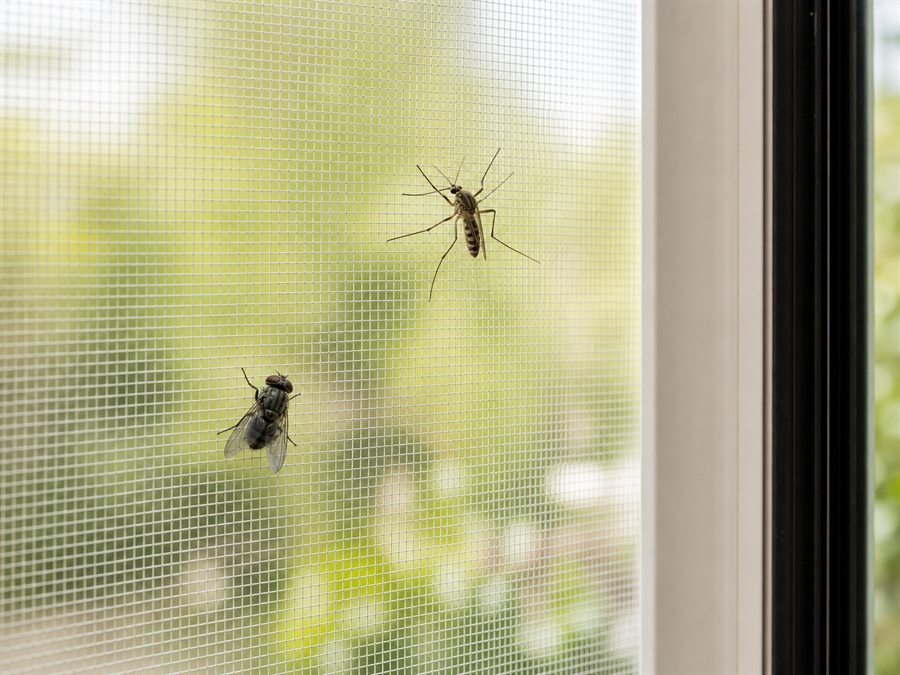
Entry gapsDoors, screens, and windows without proper seals.
Identification
Signs of fly and mosquito problems
You usually notice the buzzing or the bites before you find the source. Check for these four.
If flies cluster at the bin or drain, the breeding source is within a few metres.
Pot saucers, bird baths, and blocked gutters are mosquito nurseries.
Mosquitoes are most active at dawn and dusk. Bites on ankles and arms after sitting outside point to nearby breeding water.
A sudden increase indoors usually means a drain, bin, or fruit bowl nearby is the source.
Prevention
How to reduce flies and mosquitoes
None of this needs a technician. Remove the source and the population drops fast.
- Flies follow food waste and drains
- Mosquitoes need still water to breed
- Sydney mosquito season runs October to April
- Screens stop more than any spray indoors
Not sure what the source is? Call 1300 160 325 and we will talk you through it.
Keep bin lids closed
Outdoor and kitchen bins with loose lids are the number one fly attractant.
Empty standing water weekly
Pot saucers, bird baths, and blocked gutters. If it holds water for a week, mosquitoes can breed in it.
Clean drains regularly
Organic slime in kitchen and bathroom drains is where small flies breed out of sight.
Fit and repair screens
A torn fly screen is an open door. Check doors, windows, and vents before summer.
Avoid dusk watering
Watering the garden at dusk leaves surfaces wet overnight when mosquitoes are most active.
Cover fruit on the bench
Fruit flies hatch from overripe fruit within days in warm Sydney kitchens.
What we do
How flies and mosquitoes are treated
Source reduction first, then treatment of resting areas and entry points.
We find the breeding source
Drains, bins, standing water, and compost. That is where the cycle starts, not the fly on your bench.
We tell you what to remove
Empty standing water, clean drains, and fix bin lids. Without this, treatment only lasts a few days.
We treat resting and entry zones
A fly spray from the supermarket kills what is in the room right now. It does nothing about the drain they are hatching from.
We set up ongoing cover
Fly lights in food businesses, larvicide in water you cannot drain, and seasonal perimeter treatment before summer.
Who needs this
Who we treat for flies and mosquitoes
Flying pests hit anywhere with food, water, or outdoor access.
- Food businesses face audit pressure from fly activity
- Homes with gardens see mosquito peaks in summer
- Warehouses near waste zones get heavy fly pressure
Not listed here? We treat flies and mosquitoes in any Sydney property. Call 1300 160 325.
Homes and gardens
Backyards, entertaining areas, and kitchens where flies and mosquitoes make outdoor living miserable.
Restaurants and cafes
Kitchens and dining areas where fly activity fails hygiene audits and puts customers off.
Warehouses and loading areas
Bin rooms, compactors, and dock doors where fly pressure builds fast.
Healthcare and aged care
Facilities where flying insects around food and patient areas are unacceptable.
Why are there so many flies in my house?
There is almost always a breeding source nearby. A slimy drain, an open bin, compost near the door, or pet waste in the yard. Flies can go from egg to adult in under two weeks in warm weather, so a small source becomes a big problem fast.
How do I get rid of mosquitoes in my backyard?
Remove all standing water first. Pot saucers, bird baths, blocked gutters, and puddles that sit for more than a week. Then treat resting vegetation and consider a perimeter barrier before mosquito season starts in October.
When is mosquito season in Sydney?
Activity ramps up from October and peaks through summer into April. Warm, wet springs make it worse. A pre-season treatment in September or early October is the most effective time to set a barrier.
Can flies breed in my drain?
Yes. Organic buildup in kitchen and bathroom drains is a common breeding site for small flies. Pouring bleach down the drain does not always fix it if the slime layer is thick. The drain may need proper cleaning or treatment.
Do mosquito coils and zappers work?
Coils repel mosquitoes in a small area for a short time. Zappers kill insects attracted to the light but do not stop breeding. Neither addresses the source. Removing standing water is always the first step.
Why are mosquitoes worse after rain?
Rain fills containers, gutters, and low spots that were dry. Any water sitting for more than a few days lets mosquitoes lay eggs. Check your property within 48 hours of heavy rain.
Do restaurants need fly lights?
Food businesses benefit from fly lights as continuous monitoring and catch. Correct placement matters. Units near food prep without covers can make things worse. We advise on specification and position for audit compliance.
Can I treat mosquitoes myself?
Removing standing water and fitting screens solves most backyard problems. Residual barrier treatments on vegetation and fences need professional application for even coverage and lasting effect.
Are the flies in my kitchen fruit flies?
If they are small and hover around fruit or the bin, probably yes. They hatch from overripe produce and organic waste. Remove the source, clean the area, and they should disappear within a few days.
Know your pest
Fly and mosquito profile
The detail behind the advice above, for anyone who wants it.
Fly appearanceHouse flies are 6 to 7mm long with grey thorax stripes. Blowflies are larger at 10 to 14mm with a metallic blue-green sheen.
Mosquito lifestyleOnly female mosquitoes bite. They need a blood meal to lay eggs. Males feed on nectar and do not bite people.
HabitsFlies breed in decaying organic matter and can complete a cycle in under two weeks in warm Sydney weather. Mosquitoes need still water for eggs, even a tablespoon in a pot saucer.
Why they matterFlies contaminate food surfaces. Mosquito bites are itchy and uncomfortable. In food businesses, fly activity fails hygiene audits.
Right now
Flies or mosquitoes everywhere? Do this
Three things that help before we arrive.
Empty and clean the bin
A full bin with food waste is the most common fly source. Clean the lid and the area around it.
Tip out standing water
Walk the garden and empty anything holding water. Pot saucers, buckets, and blocked gutter sections.
Do not spray the whole house
Blanket spraying indoors masks the source. Find the bin, drain, or water first so we can treat the right spot.
Request service
Get a HIFI Pest Control quote.
Tell us what you are seeing and a specialist will help match the right inspection or treatment plan.
98 Poulton Terrace, Campbelltown NSW 2560
Related services
Explore more HIFI services.
HIFI covers the full range of Sydney pest management — from one-off treatments to ongoing protection programs.