Google Reviews4.9 ★ · 180+ reviews
Large-site pest protection
Audit-ready pest control for Sydney warehouses and logistics facilities.
Comprehensive programs for Sydney warehouses covering rodent corridors, stored-product insects, loading-dock exclusion, and documented reporting that satisfies food-safety auditors.
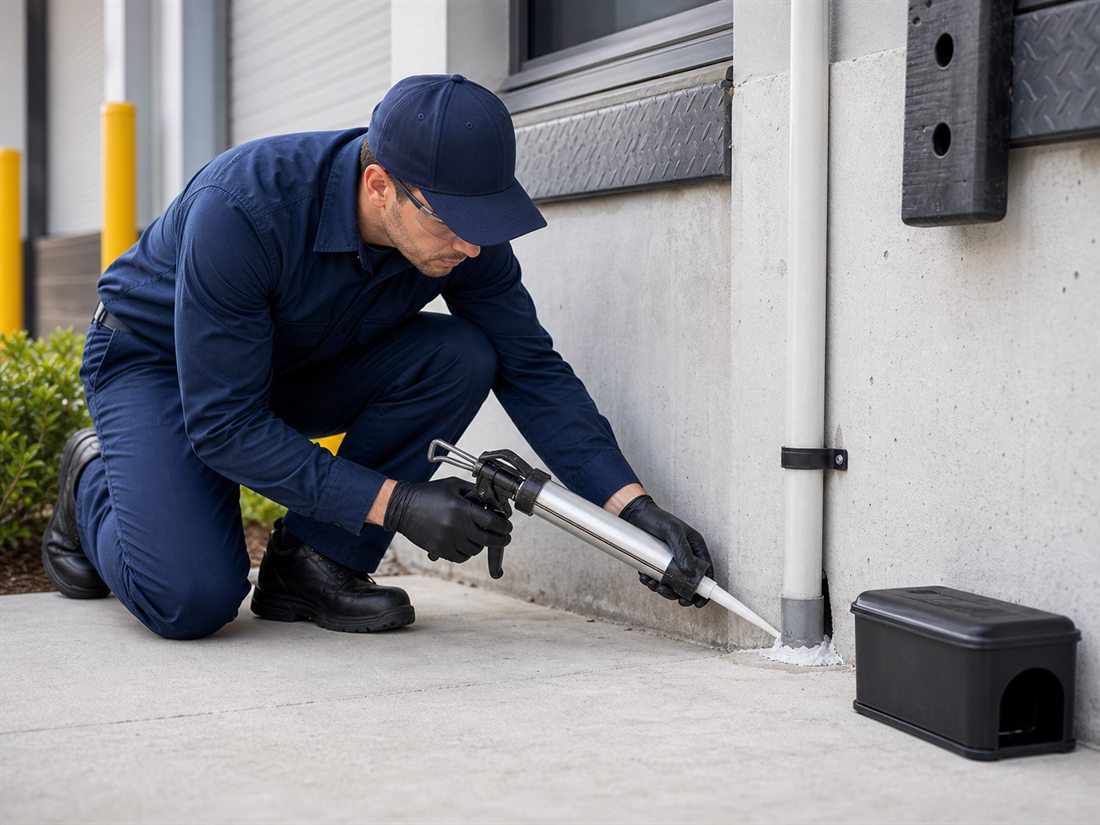
Inspection-led serviceMatched treatment for this pest and property type
Proof before booking
Trust signals, clear service notes, and a process users can believe in.
The work combines internal inspection, exterior pressure reduction, monitoring, and documentation.
- MapIdentify high-risk doors, walls, dock areas, storage zones, and exterior pressure points.
- MonitorPlace or review monitoring where activity and risk justify it.
- ControlUse proofing advice, baiting, trapping, and targeted treatment based on site needs.
- TrendReport findings and recommend operational changes that reduce repeat pressure.
Trustpilot4.8 ★ · Service rating
Facebook5.0 ★ · Recommendations
Google Reviews5.0 homeowner review
★★★★★
“The technician explained exactly where the issue was coming from, treated it cleanly, and gave us a prevention plan we could actually follow.”
Inspection first, targeted treatment, written next steps, and practical prevention guidance.Request Quote
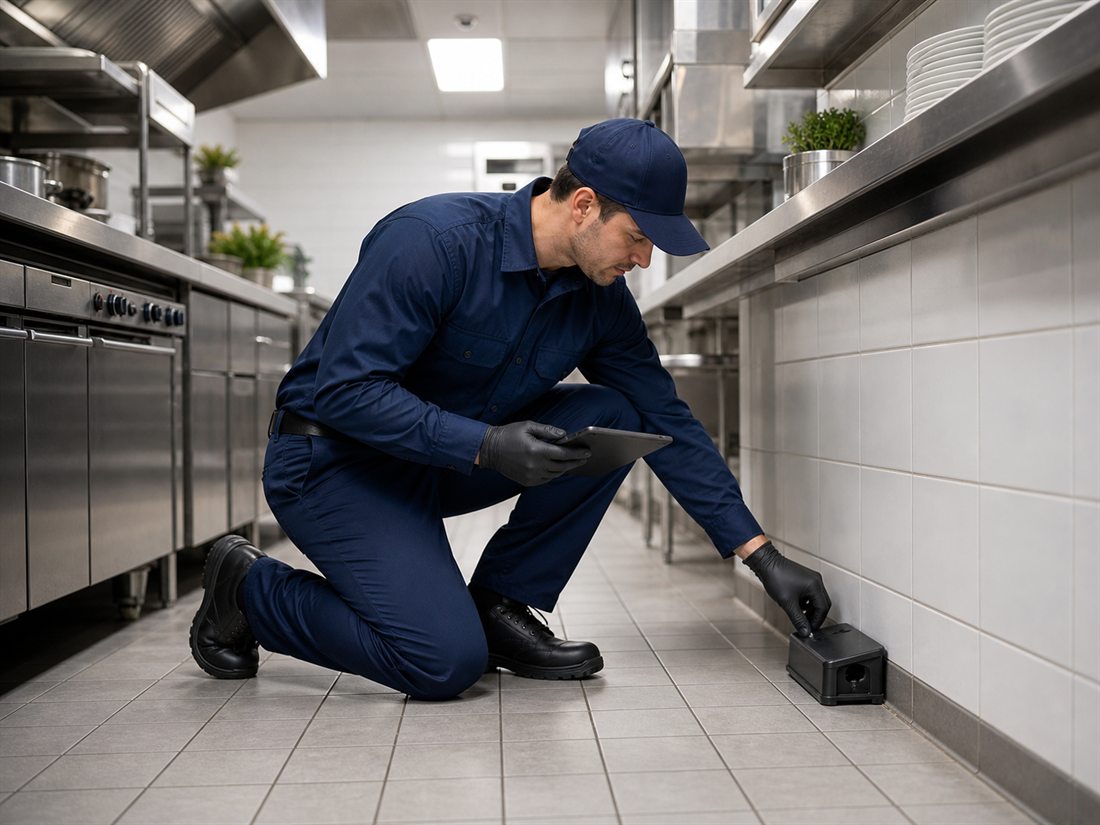
Perimeter and stock riskDesigned for warehouses, distribution sites, storage facilities, and logistics operations.
Warehouse and logistics
Food-grade compliant pest control for Sydney warehouses, distribution centres, and logistics operations.
Sydney warehouses and logistics facilities face a distinct and high-stakes pest challenge. Norway rats and house mice exploit every roller-door gap and loading-dock seam, nesting in pallet racking and contaminating stock overnight. Stored-product insects — grain beetles, lesser grain borers, Indian meal moths, and rice weevils — infest packaged goods and can spread through entire consignments before detection. German cockroaches thrive in staff amenities and break rooms adjacent to the warehouse floor. HIFI builds site-specific programs combining perimeter monitoring stations, targeted rodent baiting along wall-line corridors, stored-product insect pheromone traps, and loading-dock proofing advice. All service visits produce written documentation — technician findings, monitor-check records, and trend analysis — structured to support SQF, BRC, and HACCP audit requirements.
Rodent corridorsWall lines, docks, roller doors, pallets, and quiet storage zones are checked for travel and nesting.
Stock protectionService focuses on contamination risk, packaging damage, and activity near stored goods.
Exterior pressurePerimeter vegetation, drainage, bins, fence lines, and neighbouring activity are reviewed.
Service method
A site-wide program for movement-heavy environments.
The work combines internal inspection, exterior pressure reduction, monitoring, and documentation.
Map
Identify high-risk doors, walls, dock areas, storage zones, and exterior pressure points.
Monitor
Place or review monitoring where activity and risk justify it.
Control
Use proofing advice, baiting, trapping, and targeted treatment based on site needs.
Trend
Report findings and recommend operational changes that reduce repeat pressure.
Risk map
Warehouse risk zones
Large buildings need a wide view of pest movement and attraction sources.
Open doors, vehicle movement, spills, and hidden wall-line travel.
Gaps, clutter, packaging, quiet corners, and nesting opportunity.
Compactors, bins, drainage, outdoor stock, and food waste.
Fence lines, vegetation, neighbouring properties, and entry gaps.
Do warehouse programs include rodent monitoring?
Yes. HIFI installs and maintains tamper-resistant rodent monitoring stations at key pressure points — loading-dock thresholds, wall-line corridors, racking ends, waste compactor areas, and exterior perimeter fence lines. Stations are checked on each service visit, with catch data recorded and trended over time so you can see whether pressure is increasing, stable, or declining. Prevention recommendations are provided alongside every monitoring report.
Can you inspect loading docks and exterior areas?
Yes. Loading docks and exterior perimeters are among the highest-risk zones in any warehouse, and HIFI treats them as primary inspection areas rather than afterthoughts. The technician assesses door-seal integrity, roller-door thresholds, vehicle entry points, drainage channels, perimeter vegetation, and neighbouring-property pressure. Proofing recommendations are documented so your facilities team or landlord can action structural exclusion works.
Can you support audit preparation?
Yes. HIFI commercial warehouse service documentation is structured to support SQF, BRC, HACCP, and retailer-specific food-safety audit requirements. Records include service dates, technician findings, pest species and activity levels, treatment methods and products used, monitor-check data, and corrective-action recommendations. This creates a complete, auditable pest-management history that demonstrates ongoing due diligence to third-party auditors.
Request service
Get a HIFI Pest Control quote.
Tell us what you are seeing and a specialist will help match the right inspection or treatment plan.
98 Poulton Terrace, Campbelltown NSW 2560
Related services
Explore more HIFI services.
HIFI covers the full range of Sydney pest management — from one-off treatments to ongoing protection programs.